Can dogs eat raw bones? Your biggest questions answered
Find out which bones are safe for dogs to eat and why they’re beneficial to your dog in moderation
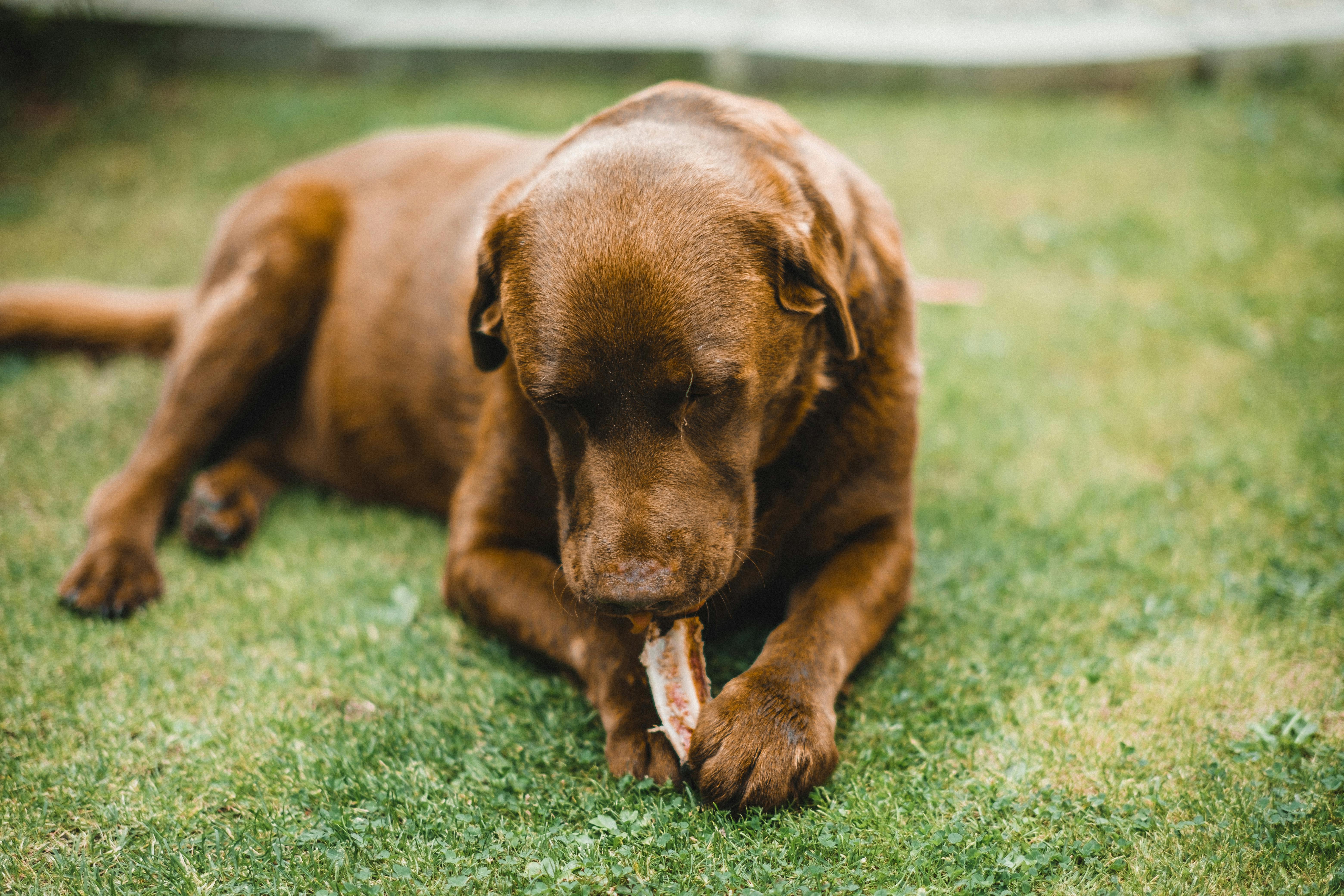
Quick takeaways on raw dog bones
- Raw bones can be a healthy treat for raw-fed dogs.
- Thawed, frozen bones from trusted suppliers are the safest way to feed them.
- Never feed your dog cooked bones and always supervise while they’re chewing.
Raw, meaty bones are great for dogs, but they can also be one of the most daunting things to introduce when starting on a raw diet.
Where to start and which bones to feed are some of the biggest questions we get asked. And the good news is that feeding raw bones is a lot easier than you think.
Plus, the benefits are huge. Not only do bones have plenty of vitamins and minerals, but they’re also great for keeping your dog stimulated and content, and they can help to keep their teeth clean.
A recent study by the University of Helsinki also found that puppies fed raw meat and bones were less likely to have gut issues as they grew older. This was compared to those fed an ultra-processed dry or kibble diet.
Here’s what you need to know before you start feeding your dog those tasty raw bones
Can dogs eat raw bones?
Yes, if your dog is already fed a raw and natural diet, they can eat raw bones as a healthy treat.
You just need to choose appropriate bones for their age, size and experience with bones.
What about cooked ones?
No, never feed your dog cooked bones. Raw bones are moisture-rich, softer and more flexible than cooked bones.
Once a bone is cooked, it becomes dry and brittle. They can easily splinter into small, sharp pieces and become a choking hazard. Shards of cooked bone can also cause problems like:
- Cuts or wounds in the mouth or on the tongue
- Broken teeth
- Severe constipation
- Intestinal blockages (that can require surgery).
The best way is to never give your dog bones or leftovers from your roast dinner. If you think your dog has eaten a cooked bone accidentally, go to the vet to get them checked over.
Why are raw bones good for dogs?
Bones are a good source of vitamins and minerals. They contain glucosamine, calcium and phosphorus, and many are rich in omega-3 fats, too.
Benefits can include:
- Good skin health
- Good joint health
- Firmer poops.
Chewing can also be a very satisfying and relaxing experience for raw-fed dogs. Plus, raw bones make a fantastic natural toothbrush.
How often should you feed raw bones?
We recommend that you feed your dog a raw bone or chew 1-3 times a week. This will help keep your dog’s teeth clean and give them a stimulating treat. Win-win.
If you’ve just switched to raw, wait 3-4 weeks before introducing raw bones, so that your dog has time to adjust to their new diet.
What raw bones can dogs eat?
Generally, chicken, turkey, beef, duck and lamb bones are safe for dogs. Different types of bones are suitable for different dogs.
There are also some raw bones you should never feed your dog, including:
- Pork bones, which easily splinter
- Any bone that’s smaller than your dog’s mouth – as they may swallow whole and this could be a choking hazard.
When choosing a raw bone that’s safe for your dog, look for one that’s about the size of their head.
For smaller dogs, chicken and duck wings are a good idea to start with. Then, for larger dogs, you can try turkey necks or raw knuckle bones.
Where should you get raw bones from?
It’s best to know exactly where your bones come from. Ideally, buy your bones from a trusted brand like Natures Menu.
Our bones, chews and chunks are safely sourced and stored to ensure they’re safe for raw consumption. Our batches are regularly tested for bacteria such as Salmonella and Enterobacteriaceae.
We also keep our bones, chews and chunks frozen to ensure safe, fresh products. We recommend defrosting them in a sealed container on the side for 2 hours or overnight in the fridge. And then use within 24 hours of defrosting.
There are handy guidelines on all our frozen bones and raw chew packs.
You can get bones from your local butcher, store them in the freezer and thaw them one at a time to give to your dog. However, there’s a higher risk that bacteria might be present.
Your guide to Natures Menu raw bones
If in doubt, buy your raw bones from a trusted provider. At Natures Menu we have a range of raw treats that are great for dogs who are new to bones.
The table below is a guide to our raw bones, with recommended ages and experience levels – as recommended by our in-house vets.
| Raw Bone | Description | Recommended Age | Extra Info |
|---|---|---|---|
| Turkey Necks | Soft, whole bone | From 10 weeks | Great for pups and new starters |
| Duck Wings | Whole bone | From 10 weeks | Great for pups and new starters |
| Duck Necks | Whole bone | From 10 weeks | Great for pups and new starters |
| Chicken Wings | Whole bone | From 6 months | Great for experienced starters |
| Chicken Portions | Whole bone | From 6 months | Great for experienced starters |
| Lamb Necks | Whole bone | From 6 months | Great for experienced starters |
| Lamb Ribs | Whole, tough bone | From 10 months | For experienced chewers |
| Marrowbone | Extremely tough, whole bone containing marrow | From 10 months | For experienced chewers |
| Beef Knuckle Bone | Extremely tough, whole bone | From 10 months | For experienced chewers |
| Beef Ribs | Whole, tough bone | From 10 months | For experienced chewers |
How to safely feed your dog raw bones
Try these tips for feeding bones safely:
- Supervise your dog while they’re eating a bone
- Never cut or saw bones – as this increases the chance of them splintering
- Never feed cooked bones
- Always feed bones that are appropriate to your dog’s age, experience and size
If your dog doesn’t finish the entire bone, rinse it under cold water and store it in an air-tight container in the fridge. However, dispose of any uneaten bones after 24 hours post-defrost.
Are raw bones safe for puppies?
Yes, once pups start developing their teeth, you can give them size-appropriate bones. Chicken wings, chicken and duck necks are good starter bones as they’re softer and chewable.
It’s also great for developing their eye-mouth coordination and learning how to chew.
Once your pup gets to 6 months, their adult teeth will start coming in. They can then be given tougher bones like lamb bones and turkey necks.
How we use bones in Natures Menu food
Our Complete and Balanced raw nuggets (included in our personalised meal plans) contain ground animal bones, alongside raw meat, fruits and vegetables.
Want to start your dog on a natural raw diet? Try our personalised meal plan with quality, natural raw ingredients.